How to Choose the Right Promotional Product for Your Target Audience

When you’re looking to choose the right promotional product for your audience think about your brand’s visibility, customer engagement, and overall marketing success. Making the right choice involves more than just slapping your logo on a trendy item. Understanding your target audience’s preferences, lifestyle, and interests is crucial to ensuring your promo product delivers value and leaves a lasting impression.

Understand Your Audience

Before choosing a product, take time to analyze your target market. Consider these key factors:

Demographics

  • Age
  • Gender
  • Income level
  • Occupation
  • Education level

Psychographics

  • Hobbies and interests
  • Values and beliefs
  • Lifestyle preferences

Buying Behavior

  • Preferred shopping channels
  • Brand loyalties
  • Price sensitivity

Define Your Marketing Goals

What do you want to achieve with your promotional product campaign? Clarifying your objectives will guide your choices. Common goals include:

  • Brand Awareness: Focus on items that offer high visibility, such as tote bags, t-shirts, or drinkware.
  • Customer Retention: Choose premium, high-value items that your existing customers will appreciate, like custom tech accessories.
  • Event Engagement: For trade shows and conferences, portable, practical giveaways such as pens, keychains, or lanyards are ideal.

Align with Your Brand Identity

Your promotional product should reflect your brand’s values and personality. For example:

  • Eco-conscious brand: Opt for sustainable, reusable items like bamboo utensils, recycled notebooks, reusable water bottles or cotton tote bags.
  • Tech-focused company: Branded power banks, USB drives, or wireless chargers align with your tech-forward identity.

Choosing products that reinforce your brand identity ensures consistency and strengthens customer connections.

Prioritize Practicality and Usefulness

Products that add real value to the recipient’s daily life have a higher chance of being used frequently, providing repeated brand exposure. Consider:

  • Reusable water bottles for fitness enthusiasts
  • Portable phone stands or chargers for busy professionals
  • Durable tote bags for shoppers or students

Items that solve everyday problems are more likely to leave a positive impression.

Stay Relevant to Your Audience’s Environment

Think about where and how your audience will use your product:

  • Office Workers: Desk accessories, stationery, or ergonomic gadgets
  • Outdoor Enthusiasts: Portable coolers, camping gear, or branded sunscreen
  • Remote Workers: Blue light glasses, webcam covers, or coffee mugs

By aligning your product with their environment, you ensure greater utility and impact.

Leverage Trends and Innovation

Staying on top of current trends can give your promotional products a competitive edge. Consider popular trends such as:

  • Sustainability: Reusable straws, eco-friendly tote bags, or biodegradable pens
  • Tech Accessories: Wireless chargers, Bluetooth speakers, or phone grips
  • Wellness Products: Yoga mats, resistance bands, or mindfulness journals

Products that align with contemporary trends often feel more relevant and desirable to recipients.

Consider Your Budget

Balancing quality and affordability is key. While lower-cost items like pens, stickers, and lanyards work well for mass distribution, investing in premium products may be more suitable for key clients or partners.

Create tiers within your budget to allocate resources effectively:

  • Low-Cost Giveaways: Pens, keychains, or stickers
  • Mid-Range Items: Tumblers, notebooks, or USB drives
  • Premium Gifts: Wireless speakers, travel bags, or customized apparel

Focus on Customization

Customization is essential for making your promotional products stand out. Adding your logo, tagline, or brand colors creates a personalized touch that strengthens brand recall.

For example:

  • Engraving logos on metal pens for a professional look
  • Embroidering company names on caps or jackets for outdoor events
  • Printing vibrant, eye-catching designs on tote bags, water bottles or t-shirts

Customization enhances the perceived value of your promotional products and makes them feel more exclusive.

Ensure High Quality

Even budget-friendly items should meet quality standards. Poor-quality products can harm your brand’s reputation. Choose vendors with a track record of delivering durable, well-made items that reflect positively on your business.

Plan Distribution Strategy

The success of your promotional products depends heavily on how you distribute them. Consider:

  • Trade Shows: Eye-catching displays and interactive booths can draw attention.
  • Direct Mail Campaigns: Send personalized packages with a thoughtful product.
  • In-Person Events: Hand out items that create memorable moments.

Choosing the right context to distribute your product maximizes engagement and reinforces your brand’s message.

Measure Effectiveness

Track the performance of your promotional product campaign to understand its impact. Metrics to consider include:

  • Impressions: How often your product is seen or used.
  • Customer Feedback: Gather insights through surveys or social media.
  • Sales Impact: Monitor changes in customer inquiries, conversions, or repeat business.

Analyzing data helps refine your strategy and improve future campaigns.

Choose the Right Promotional Product

Choosing the right promotional product for your target audience requires a combination of research, creativity, and strategy. By understanding your audience, aligning with your brand identity, and focusing on practical, high-quality products, you can deliver memorable experiences that strengthen customer loyalty and enhance your brand’s presence.

With these steps in mind, you’ll be well-equipped to select impactful promotional products that resonate with your audience and drive meaningful results.


The Power of Swag: How to Market With Promotional Products

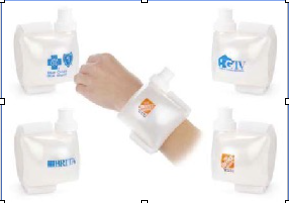
When I first invented my product, the wrist water bottle, I only thought of them as a retail item. But once I learned the value of how to market with promotional products my whole business changed. When companies put their brand on my wrist water bottles they are seen many times by a large audience. I’m constantly stopped on the street when I’m out wearing them. They are unique and attention-getting. They’re also protected by very strong intellectual property so no one else can sell anything that looks like them.

How to market with promotional products

In the ever-evolving landscape of marketing, businesses are constantly seeking innovative strategies to create lasting impressions and build brand awareness. One timeless and effective approach is leveraging promotional products, often referred to as “swag.” From branded pens and custom apparel to tech gadgets and eco-friendly items, promotional products offer a tangible and memorable way to connect with your audience. I like to think of promotional products as walking billboards. I personally think promotional products are better than advertising. For the best ROI you need to know how to market with promotional products.

Section 1: Understanding the Impact of Promotional Products

The Psychology Behind Promotional Products:

Before diving into the practical aspects of marketing with promotional products, it’s crucial to understand the psychological impact they have on recipients. Promotional items trigger the principle of reciprocity – the human tendency to respond positively when receiving a gift. By providing something of value, businesses create a sense of goodwill, fostering a more favorable perception of their brand.

Tangible Brand Visibility:

Promotional products serve as tangible representations of your brand. When recipients use or display these items, your logo and messaging become part of their daily lives. This visibility extends beyond the initial recipient to others who come into contact with the branded products, amplifying your brand reach.

Section 2: Choosing the Right Promotional Products

Know Your Audience:

The effectiveness of promotional products hinges on their relevance to your target audience. Understanding your audience’s preferences, needs, and lifestyle is paramount in selecting items that resonate with them. Conduct thorough market research and consider factors such as demographics, interests, and purchasing behaviors.

Aligning with Your Brand Message:

The chosen promotional products should align seamlessly with your brand message and values. Whether you opt for practical items like custom notepads for a professional touch or eco-friendly merchandise to showcase sustainability, the products should reinforce your brand identity.

Quality Matters:

While cost-effectiveness is important, never compromise on the quality of promotional products. High-quality items not only reflect positively on your brand but also ensure that recipients perceive the value of the gift. A well-made, durable product enhances the likelihood of continued use, maximizing exposure. This was important when I started manufacturing. I wanted well made products that people would use over and over again.

Section 3: Designing and Customizing Promotional Products

Creating Eye-Catching Designs:

The visual appeal of promotional products is crucial for capturing attention. Invest time and resources in creating designs that are visually appealing, on-brand, and easily recognizable. Incorporate your logo, brand colors, and tagline strategically to enhance brand recall. This is where it’s better to have limited colors in your logo. Each color costs more when it comes time for imprinting. Or you could just choose one solid color for your imprint.

Personalization for Impact:

Personalized promotional products make a more significant impact on recipients. Consider adding individual names, custom messages, or specific details that resonate with the recipient. Personalization enhances the perceived value of the item and fosters a deeper connection between the recipient and your brand.

Balancing Branding and Utility:

While branding is essential, it’s crucial to strike a balance between promoting your brand and providing a functional item. Focus on creating products that recipients will find useful in their daily lives. A well-balanced approach ensures that your promotional items become valued possessions rather than mere marketing tools.

Section 4: Promotional Product Distribution Strategies

Events and Trade Shows:

Participating in industry events, conferences, and trade shows provides an excellent opportunity to distribute promotional products. Consider offering branded merchandise as giveaways, incentives for engagement, or part of a larger promotional campaign. The key is to ensure that the items align with the event theme and resonate with the target audience.

In-Person Engagements:

Promotional products can enhance in-person engagements with potential clients or customers. Whether it’s a business meeting, product demonstration, or casual networking event, having branded items to share creates a positive and memorable impression.

Direct Mail Campaigns:

Incorporating promotional products into direct mail campaigns adds a tangible and interactive element to your marketing efforts. Consider sending personalized gifts along with marketing materials to create a memorable and impactful experience for recipients.

Employee Engagement:

Internal marketing is as crucial as external efforts. Provide branded merchandise to your employees as a way to boost morale, foster a sense of belonging, and turn your team into brand ambassadors. Branded apparel, office supplies, or tech gadgets can create a cohesive and proud company culture.

Online Giveaways and Contests:

Leverage digital platforms to conduct online giveaways and contests featuring promotional products. Engage your audience through social media, email marketing, or your website, encouraging participation and creating a buzz around your brand.

Section 5: Measuring ROI and Effectiveness

Establishing Clear Objectives:

Before launching any promotional product campaign, define clear and measurable objectives. Whether it’s increasing brand awareness, driving website traffic, or generating leads, having specific goals allows you to track the success of your efforts. Learn how to market with promotional products.

Tracking Distribution and Engagement:

Implement tracking mechanisms to monitor the distribution and engagement with your promotional products. Use unique QR codes, custom landing pages, or dedicated promo codes to gather data on the reach and effectiveness of each campaign.

Surveys and Feedback:

Gathering feedback from recipients provides valuable insights into the impact of your promotional products. Include surveys or feedback forms with your branded items to understand how well they were received and whether they influenced recipients’ perceptions of your brand.

Analyzing Sales and Conversions:

Correlate the distribution of promotional products with changes in sales and conversion rates. Analyzing the impact on key performance indicators allows you to assess the direct influence of promotional items on your bottom line.

Section 6: Staying Sustainable 

Embracing Eco-Friendly Options:

In an era of increased environmental awareness, opt for eco-friendly promotional products to align with sustainability goals. Choose items made from recycled materials, promote reusable products, and minimize packaging to showcase your commitment to environmental responsibility.

Elevating Your Marketing Game with Promotional Products

The strategic use of promotional products has the potential to elevate your marketing efforts, create lasting impressions, and build a strong brand presence. By understanding the psychological impact of tangible gifts, carefully selecting relevant items, and implementing effective distribution strategies, businesses can harness the power of swag to connect with their target audience on a deeper level. Remember, the art of marketing with promotional products lies in the balance between creativity, functionality, and aligning with your brand narrative. Whether it’s a custom mug, branded tech gadget, water bottle, or eco-friendly tote bag, the right promotional product can turn a fleeting interaction into a lasting connection.


Why Tourists Buy Unique Souvenirs

unique promotional products

You’ve seen the typical souvenir postcard that says “Wish you were here”. A unique souvenir from a place we’ve traveled helps us relive the journey over and over again.

Gift, novelty, and souvenir industry

The U.S. gift, novelty, and souvenir industry has a combined annual revenue of about $18 billion. Souvenirs (French for remembrance or memory), are an important part of tourism, especially local tourism. Tourists want unique souvenirs to take home to remind them of them of an experience they had. They may also want to give a gift to someone who wasn’t able to have that experience. Souvenirs are a form of promotional product, with a local destination printed on it.

Unique souvenirs – omiyage

In Japan they have a strong custom of giving gifts of omiyage. In English that means souvenir, but it’s a little different than in the U.S. The person who is traveling will buy themselves unique souvenirs. But they buy omiyage for the people who weren’t able to make the trip. Non-food items are usually bought by the traveler for themselves. But omiyage is usually a food product that can be shared with others on their arrival back home. This is quite often given to friends and co-workers.

Souvenirs can be bought in a gift shop and could be something mass produced like a T-shirt, ashtray, magnet, water bottle, postcards, bowls or mugs. Or unique souvenirs could also be a local artisan craft product or something that represents the local culture of the area. Sometimes souvenirs can be a natural item such as sand or a seashell from a beach.

Memorabilia

Memorabilia is a type of souvenir which is connected to an event. This could be a sporting event, historical event, concert or festival. These souvenirs are usually posters or clothing. Memorabilia can become quite valuable over time, depending on the event and the item.

Just like any other industry, the souvenir industry needs to keep evolving and looking for new, unique souvenirs to entice tourists to buy. Not only is it good for the local economies. but advertises the region to people who have yet to travel there.


Marketing With Unique Promotional Products

unique promotional products

unique promotional products

One of the best ways to create a marketing campaign is to kick it off with unique promotional products. Promotional products for your company are available in the form of any item under the sun. But it’s up to you to choose the most appropriate for your company image. And also think about what you’re trying to promote. Unique promotional items ensure that you’re sending the correct image to potential clients and customers in your target market.

Unique promotional products

Marketing your company, product, or service with promotional products gives you a unique opportunity to interact with your client base. Engaging customers in one on one conversations enable marketers and promoters the chance to better understand their client base. Ensuring that you include unique promotional products that are also relevant must be carefully thought about by your marketing team. Promotional products with function produce more desirable results. Constant use of the item by the potential customer may also lead to a chain reaction of mini marketing and word of mouth advertising. Unique promotional products stand out, yet they have function and relate to your industry. company, or image is the key.

For example, let’s say you’re heading the marketing team for a health insurance company. It provides discounts or other benefits to members who are in good health, members of gyms, or participate in sporting events and promotes a high quality of life through physical fitness. Then you will want to locate and engage future potential customers where they are abundant and where they are relaxed enough to engage you as a promoter or marketer.

Runners who are outside are more likely to be relaxed and open to conversation. Having that unique running promotional product that runners will want to stop and look at will make your campaign a true success. Popular items may include towels with logos printed on them or heart rate monitors. Another idea is a water bottle. Athletes are always on the lookout for water bottles, and the more interesting the water bottle the better.

Marketing with unique promotional products

Marketing with promotional products can be an effective way to increase brand awareness, engage with customers, and drive business growth. Here are some steps to consider when utilizing promotional products in your marketing strategy:

Define Your Objectives

Clearly identify your marketing goals and what you aim to achieve through the use of promotional products. This could include increasing brand visibility, driving sales, generating leads, or fostering customer loyalty.

Understand Your Target Audience

Determine who your target audience is and what promotional products would resonate with them. Consider factors such as demographics, interests, and preferences. Tailoring your promotional products to your specific audience increases their likelihood of being used and appreciated.

Choose Relevant and High-Quality Products

Select promotional products that align with your brand and are relevant to your target audience. The products should be of good quality to create a positive impression of your brand. Common examples of promotional products include pens, mugs, keychains, t-shirts, tote bags, USB drives, and smartphone accessories.

Incorporate Branding

Ensure that your promotional products prominently feature your company logo, tagline, or key brand elements. This helps to reinforce brand recognition and recall. Select colors, fonts, and designs that align with your brand identity.

Consider Practicality and Usefulness

Choose promotional products that are practical and useful in everyday life. Items that serve a purpose and have longevity increase the chances of your brand being seen regularly. This can include items like notebooks, water bottles, power banks, or reusable shopping bags.

Integrate Promotional Products into Marketing Campaigns

Incorporate promotional products into your overall marketing campaigns and initiatives. They can be used as giveaways at trade shows, events, or conferences, as incentives for purchases or referrals, or as part of social media contests or online promotions.

Personalize and Customize

Consider personalizing promotional products with individual names, messages, or custom designs for special occasions or targeted campaigns. Personalization adds a personal touch and increases the perceived value of the product.

Measure and Track Results

Implement mechanisms to track the effectiveness of your promotional product efforts. This could involve monitoring website traffic, analyzing sales data, conducting customer surveys, or using specific discount codes or QR codes associated with the promotional products.

Provide a Call to Action

Include a call to action on the promotional product itself, such as a website URL, social media handle, or contact information. Encourage recipients to engage with your brand further or take specific actions.

Evaluate and Adjust

Regularly review the impact of your promotional product strategy and make adjustments as needed. Analyze the ROI, customer feedback, and overall success of the campaign. Use these insights to refine future promotional product initiatives.

Remember, the key is to align your promotional product strategy with your overall marketing objectives, target audience, and brand identity. By selecting high-quality, relevant products and integrating them effectively into your marketing efforts, you can enhance brand visibility, engage with customers, and achieve your marketing goals.

As a promoter, thinking outside the box is mandatory. Think like your potential clients and use unique promotional products for a successful marketing campaign.