How to Choose the Right Promotional Product for Your Target Audience

When you’re looking to choose the right promotional product for your audience think about your brand’s visibility, customer engagement, and overall marketing success. Making the right choice involves more than just slapping your logo on a trendy item. Understanding your target audience’s preferences, lifestyle, and interests is crucial to ensuring your promo product delivers value and leaves a lasting impression.

Understand Your Audience

Before choosing a product, take time to analyze your target market. Consider these key factors:

Demographics

  • Age
  • Gender
  • Income level
  • Occupation
  • Education level

Psychographics

  • Hobbies and interests
  • Values and beliefs
  • Lifestyle preferences

Buying Behavior

  • Preferred shopping channels
  • Brand loyalties
  • Price sensitivity

Define Your Marketing Goals

What do you want to achieve with your promotional product campaign? Clarifying your objectives will guide your choices. Common goals include:

  • Brand Awareness: Focus on items that offer high visibility, such as tote bags, t-shirts, or drinkware.
  • Customer Retention: Choose premium, high-value items that your existing customers will appreciate, like custom tech accessories.
  • Event Engagement: For trade shows and conferences, portable, practical giveaways such as pens, keychains, or lanyards are ideal.

Align with Your Brand Identity

Your promotional product should reflect your brand’s values and personality. For example:

  • Eco-conscious brand: Opt for sustainable, reusable items like bamboo utensils, recycled notebooks, reusable water bottles or cotton tote bags.
  • Tech-focused company: Branded power banks, USB drives, or wireless chargers align with your tech-forward identity.

Choosing products that reinforce your brand identity ensures consistency and strengthens customer connections.

Prioritize Practicality and Usefulness

Products that add real value to the recipient’s daily life have a higher chance of being used frequently, providing repeated brand exposure. Consider:

  • Reusable water bottles for fitness enthusiasts
  • Portable phone stands or chargers for busy professionals
  • Durable tote bags for shoppers or students

Items that solve everyday problems are more likely to leave a positive impression.

Stay Relevant to Your Audience’s Environment

Think about where and how your audience will use your product:

  • Office Workers: Desk accessories, stationery, or ergonomic gadgets
  • Outdoor Enthusiasts: Portable coolers, camping gear, or branded sunscreen
  • Remote Workers: Blue light glasses, webcam covers, or coffee mugs

By aligning your product with their environment, you ensure greater utility and impact.

Leverage Trends and Innovation

Staying on top of current trends can give your promotional products a competitive edge. Consider popular trends such as:

  • Sustainability: Reusable straws, eco-friendly tote bags, or biodegradable pens
  • Tech Accessories: Wireless chargers, Bluetooth speakers, or phone grips
  • Wellness Products: Yoga mats, resistance bands, or mindfulness journals

Products that align with contemporary trends often feel more relevant and desirable to recipients.

Consider Your Budget

Balancing quality and affordability is key. While lower-cost items like pens, stickers, and lanyards work well for mass distribution, investing in premium products may be more suitable for key clients or partners.

Create tiers within your budget to allocate resources effectively:

  • Low-Cost Giveaways: Pens, keychains, or stickers
  • Mid-Range Items: Tumblers, notebooks, or USB drives
  • Premium Gifts: Wireless speakers, travel bags, or customized apparel

Focus on Customization

Customization is essential for making your promotional products stand out. Adding your logo, tagline, or brand colors creates a personalized touch that strengthens brand recall.

For example:

  • Engraving logos on metal pens for a professional look
  • Embroidering company names on caps or jackets for outdoor events
  • Printing vibrant, eye-catching designs on tote bags, water bottles or t-shirts

Customization enhances the perceived value of your promotional products and makes them feel more exclusive.

Ensure High Quality

Even budget-friendly items should meet quality standards. Poor-quality products can harm your brand’s reputation. Choose vendors with a track record of delivering durable, well-made items that reflect positively on your business.

Plan Distribution Strategy

The success of your promotional products depends heavily on how you distribute them. Consider:

  • Trade Shows: Eye-catching displays and interactive booths can draw attention.
  • Direct Mail Campaigns: Send personalized packages with a thoughtful product.
  • In-Person Events: Hand out items that create memorable moments.

Choosing the right context to distribute your product maximizes engagement and reinforces your brand’s message.

Measure Effectiveness

Track the performance of your promotional product campaign to understand its impact. Metrics to consider include:

  • Impressions: How often your product is seen or used.
  • Customer Feedback: Gather insights through surveys or social media.
  • Sales Impact: Monitor changes in customer inquiries, conversions, or repeat business.

Analyzing data helps refine your strategy and improve future campaigns.

Choose the Right Promotional Product

Choosing the right promotional product for your target audience requires a combination of research, creativity, and strategy. By understanding your audience, aligning with your brand identity, and focusing on practical, high-quality products, you can deliver memorable experiences that strengthen customer loyalty and enhance your brand’s presence.

With these steps in mind, you’ll be well-equipped to select impactful promotional products that resonate with your audience and drive meaningful results.


Innovative Products for Runners: Revolutionizing Your Running Experience

Running is accessible to almost anyone. It doesn’t require a partner, although having one will make it more fun. And it doesn’t require expensive equipment either. But having some innovative products for runners also makes the experience better.

The world of running products is constantly evolving to enhance performance, improve comfort, and even make the sport more sustainable. Here are some innovative products for runners.


Smart Running Shoes

Running shoes are no longer about just cushioning and support. Smart running shoes, equipped with sensors and connected to apps, are the new trend. These shoes track metrics like cadence, stride length, ground contact time, and even footstrike patterns. Brands like Under Armour HOVR and Nike Adapt have integrated advanced tech to provide real-time feedback, helping runners optimize performance and reduce the risk of injury.

Some shoes now incorporate energy-returning materials, like Adidas’ Boost foam, that adapt to your running style, ensuring efficiency with every step.


Innovative Hydration Products

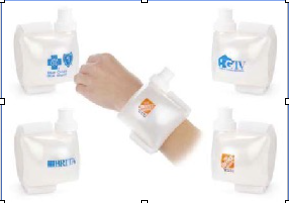
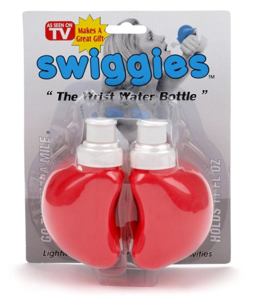
Staying hydrated is critical, but carrying bulky bottles can be cumbersome. Innovative hydration systems like swiggies, wrist water bottles which are hands-free, make it much easier to stay hydrated on a short run. They can also be frozen to lower body temperature in the heat.

They are not only functional but also contribute to reducing single-use plastics. And they are a very unique promotional product for marathons, festivals and 5Ks.


Wearable Tech for Real-Time Insights

Wearable tech continues to transform how runners track and improve their performance. Devices like Garmin Forerunner and Coros Apex watches now include advanced features such as VO2 max estimation, recovery time suggestions, and even heat acclimation tracking. These tools help runners customize their training plans and prepare for specific environmental conditions.

Emerging innovations also include muscle oxygen monitors like the Moxy Monitor, which provide data about how well your muscles are utilizing oxygen. This next-level insight allows athletes to train smarter, not harder.


Sustainable Running Gear

The running community is increasingly aware of its environmental footprint. This has led to a rise in products that prioritize sustainability without sacrificing performance. Apparel made from recycled plastics, like those by Patagonia and On Running, combines high performance with eco-consciousness.

Shoes like the Allbirds Tree Dasher and Saucony’s Jazz Court RFG are crafted with renewable or biodegradable materials. These innovations prove that runners don’t have to choose between performance and the planet.


Recovery and Injury Prevention Tools

Post-run recovery is essential for maintaining longevity in the sport. Foam rollers have been a staple, but innovations like the Theragun and other percussion therapy devices are emerging. These tools treat sore muscles with deep tissue massage, promoting blood flow and reducing inflammation.

Injury prevention is also advancing. Products like Exoskeleton Knee Supports or dynamic insoles with integrated shock absorption (e.g., Superfeet ME3D custom insoles) are helping runners manage the stress of repetitive impact.


Enhanced Safety Gear

Safety is paramount, especially for runners who log miles early in the morning or late at night. Reflective gear has evolved into tech-savvy products like the Noxgear Tracer360, a light-up vest that offers 360-degree visibility with customizable colors and patterns.

For added security, wearable panic buttons like Birdie or apps paired with personal alarms ensure that runners feel safe while on the move. These innovations make it easier to run freely, no matter what time of day.


Smart Headphones and Audio Devices

I actually came up with my invention, the wrist water bottle because I had to carry music and my keys, and had nowhere to carry water. New innovations now include Bone conduction headphones like those by Shokz (formerly AfterShokz). These devices transmit sound through your cheekbones, leaving your ears open to ambient sounds for improved safety and awareness.

Smart audio devices like the NURVV Run Insoles go one step further. They combine coaching with music by giving you real-time feedback about your stride, helping you adjust your form while staying motivated.


Weather-Ready Apparel

Hard-core runners will run in any weather conditions. But weather can still become an excuse for runners not to go out. But innovations in apparel are removing those excuses. Modern running jackets like the Gore-Tex Infinium are both waterproof and breathable, making them ideal for rainy or windy conditions.

For winter runners, heated gloves and thermoregulating base layers have become game-changers. Using fabrics like Polartec or PrimaLoft, these garments ensure warmth without bulk, even in freezing temperatures.


Customizable Nutrition Solutions

Nutrition plays a significant role in running performance, and companies are now offering solutions. Products like Maurten’s Hydrogel Technology deliver carbohydrates in a way that’s easy on the stomach, even during high-intensity runs.


Virtual Running Experiences

COVID accelerated the development of virtual running technologies. Platforms like Zwift Run and Peloton Tread offer interactive environments where runners can participate in virtual races or explore scenic routes from the comfort of their treadmill.

Paired with footpods and heart rate monitors, these platforms provide an immersive experience, complete with real-time metrics, virtual coaching, and even social connectivity with other runners around the world.


Minimalist Running Packs

Running packs are no longer bulky and restrictive. Innovations in materials and design have led to minimalist packs. Products like the Salomon Advanced Skin Pack incorporate stretch fabrics, multiple compartments, and ergonomic designs that distribute weight evenly. Whether you’re heading out for a long trail run or just carrying essentials, these packs enhance comfort and practicality.


Smart Socks and Insoles

Runners often overlook the importance of socks and insoles, but advancements in this area are solving common issues like blisters and improper arch support. Brands like Sensoria and SmartSole now offer socks and insoles equipped with sensors that monitor foot strike pressure and gait analysis.

These tools provide data to help runners correct imbalances and reduce injury risk. Anti-odor and moisture-wicking materials ensure comfort even during tough workouts.


Eco-Friendly Accessories

From compostable energy bar wrappers to biodegradable shoe laces, eco-friendly accessories are gaining traction. Companies like Goodr are even producing stylish, affordable, and sustainable sunglasses tailored for runners.

Reusable snack bags and eco-conscious race bibs are small steps that runners and event organizers are taking to create a greener running culture.


Running into the Future

Innovation in the running world isn’t just about gadgets and gear—it’s about creating a holistic, sustainable, and inclusive experience. From smart shoes that adapt to your stride to virtual races that connect global communities, these products are empowering runners to achieve their goals like never before.

Innovative products for runners

Innovative products for runners will help you reach your goals better and faster, while making the experience of running more pleasant.

The Power of Swag: How to Market With Promotional Products

When I first invented my product, the wrist water bottle, I only thought of them as a retail item. But once I learned the value of how to market with promotional products my whole business changed. When companies put their brand on my wrist water bottles they are seen many times by a large audience. I’m constantly stopped on the street when I’m out wearing them. They are unique and attention-getting. They’re also protected by very strong intellectual property so no one else can sell anything that looks like them.

How to market with promotional products

In the ever-evolving landscape of marketing, businesses are constantly seeking innovative strategies to create lasting impressions and build brand awareness. One timeless and effective approach is leveraging promotional products, often referred to as “swag.” From branded pens and custom apparel to tech gadgets and eco-friendly items, promotional products offer a tangible and memorable way to connect with your audience. I like to think of promotional products as walking billboards. I personally think promotional products are better than advertising. For the best ROI you need to know how to market with promotional products.

Section 1: Understanding the Impact of Promotional Products

The Psychology Behind Promotional Products:

Before diving into the practical aspects of marketing with promotional products, it’s crucial to understand the psychological impact they have on recipients. Promotional items trigger the principle of reciprocity – the human tendency to respond positively when receiving a gift. By providing something of value, businesses create a sense of goodwill, fostering a more favorable perception of their brand.

Tangible Brand Visibility:

Promotional products serve as tangible representations of your brand. When recipients use or display these items, your logo and messaging become part of their daily lives. This visibility extends beyond the initial recipient to others who come into contact with the branded products, amplifying your brand reach.

Section 2: Choosing the Right Promotional Products

Know Your Audience:

The effectiveness of promotional products hinges on their relevance to your target audience. Understanding your audience’s preferences, needs, and lifestyle is paramount in selecting items that resonate with them. Conduct thorough market research and consider factors such as demographics, interests, and purchasing behaviors.

Aligning with Your Brand Message:

The chosen promotional products should align seamlessly with your brand message and values. Whether you opt for practical items like custom notepads for a professional touch or eco-friendly merchandise to showcase sustainability, the products should reinforce your brand identity.

Quality Matters:

While cost-effectiveness is important, never compromise on the quality of promotional products. High-quality items not only reflect positively on your brand but also ensure that recipients perceive the value of the gift. A well-made, durable product enhances the likelihood of continued use, maximizing exposure. This was important when I started manufacturing. I wanted well made products that people would use over and over again.

Section 3: Designing and Customizing Promotional Products

Creating Eye-Catching Designs:

The visual appeal of promotional products is crucial for capturing attention. Invest time and resources in creating designs that are visually appealing, on-brand, and easily recognizable. Incorporate your logo, brand colors, and tagline strategically to enhance brand recall. This is where it’s better to have limited colors in your logo. Each color costs more when it comes time for imprinting. Or you could just choose one solid color for your imprint.

Personalization for Impact:

Personalized promotional products make a more significant impact on recipients. Consider adding individual names, custom messages, or specific details that resonate with the recipient. Personalization enhances the perceived value of the item and fosters a deeper connection between the recipient and your brand.

Balancing Branding and Utility:

While branding is essential, it’s crucial to strike a balance between promoting your brand and providing a functional item. Focus on creating products that recipients will find useful in their daily lives. A well-balanced approach ensures that your promotional items become valued possessions rather than mere marketing tools.

Section 4: Promotional Product Distribution Strategies

Events and Trade Shows:

Participating in industry events, conferences, and trade shows provides an excellent opportunity to distribute promotional products. Consider offering branded merchandise as giveaways, incentives for engagement, or part of a larger promotional campaign. The key is to ensure that the items align with the event theme and resonate with the target audience.

In-Person Engagements:

Promotional products can enhance in-person engagements with potential clients or customers. Whether it’s a business meeting, product demonstration, or casual networking event, having branded items to share creates a positive and memorable impression.

Direct Mail Campaigns:

Incorporating promotional products into direct mail campaigns adds a tangible and interactive element to your marketing efforts. Consider sending personalized gifts along with marketing materials to create a memorable and impactful experience for recipients.

Employee Engagement:

Internal marketing is as crucial as external efforts. Provide branded merchandise to your employees as a way to boost morale, foster a sense of belonging, and turn your team into brand ambassadors. Branded apparel, office supplies, or tech gadgets can create a cohesive and proud company culture.

Online Giveaways and Contests:

Leverage digital platforms to conduct online giveaways and contests featuring promotional products. Engage your audience through social media, email marketing, or your website, encouraging participation and creating a buzz around your brand.

Section 5: Measuring ROI and Effectiveness

Establishing Clear Objectives:

Before launching any promotional product campaign, define clear and measurable objectives. Whether it’s increasing brand awareness, driving website traffic, or generating leads, having specific goals allows you to track the success of your efforts. Learn how to market with promotional products.

Tracking Distribution and Engagement:

Implement tracking mechanisms to monitor the distribution and engagement with your promotional products. Use unique QR codes, custom landing pages, or dedicated promo codes to gather data on the reach and effectiveness of each campaign.

Surveys and Feedback:

Gathering feedback from recipients provides valuable insights into the impact of your promotional products. Include surveys or feedback forms with your branded items to understand how well they were received and whether they influenced recipients’ perceptions of your brand.

Analyzing Sales and Conversions:

Correlate the distribution of promotional products with changes in sales and conversion rates. Analyzing the impact on key performance indicators allows you to assess the direct influence of promotional items on your bottom line.

Section 6: Staying Sustainable 

Embracing Eco-Friendly Options:

In an era of increased environmental awareness, opt for eco-friendly promotional products to align with sustainability goals. Choose items made from recycled materials, promote reusable products, and minimize packaging to showcase your commitment to environmental responsibility.

Elevating Your Marketing Game with Promotional Products

The strategic use of promotional products has the potential to elevate your marketing efforts, create lasting impressions, and build a strong brand presence. By understanding the psychological impact of tangible gifts, carefully selecting relevant items, and implementing effective distribution strategies, businesses can harness the power of swag to connect with their target audience on a deeper level. Remember, the art of marketing with promotional products lies in the balance between creativity, functionality, and aligning with your brand narrative. Whether it’s a custom mug, branded tech gadget, water bottle, or eco-friendly tote bag, the right promotional product can turn a fleeting interaction into a lasting connection.


Cross Training for Runners

Cross training is a valuable addition to a runner’s training routine as it helps to improve overall fitness, prevent injuries, and enhance performance. It helps decrease bone stress. It helps improve cardiovascular without taxing the joints as much as running. Cross-training for runners can have positive mental and physical benefits.

Cross training for runners

Here are some ways that runners can cross-train:

Cycling

Cycling is a low-impact activity that provides cardiovascular benefits while giving the legs a break from the impact of running. It helps to build endurance, improve leg strength, and maintain aerobic fitness. Consider outdoor cycling or indoor options like stationary bikes or spinning classes.

Swimming

Swimming is a fantastic full-body workout that is gentle on the joints. It improves cardiovascular fitness, builds upper body and core strength, and increases lung capacity. Incorporate different swimming strokes and interval training to vary the intensity.

Strength Training

Engaging in strength training exercises helps runners develop muscular strength, stability, and balance. Focus on exercises that target the major muscle groups, such as squats, lunges, deadlifts, planks, and push-ups. Additionally, exercises that specifically target the core and hips can be beneficial for runners.

Yoga and Pilates

These practices improve flexibility, balance, and core strength, which can enhance running performance and reduce the risk of injuries. Both yoga and Pilates also promote relaxation and mindfulness, which can be beneficial for mental focus during running.

Elliptical Trainer

The elliptical trainer mimics the running motion but with less impact. It provides a good cardiovascular workout while giving the joints a break from the repetitive pounding of running. Adjust the resistance and incline to vary the intensity.

Rowing

Rowing is a great full-body workout that engages the upper body, core, and legs. It improves cardiovascular fitness, muscular endurance, and strength. Rowing machines, or even actual rowing if available, can be excellent cross-training options for runners.

High-Intensity Interval Training (HIIT)

HIIT workouts involve short bursts of intense exercise followed by brief recovery periods. These workouts can be adapted to various activities such as bodyweight exercises, circuit training, or plyometric exercises. HIIT helps to improve cardiovascular fitness, burn calories, and boost metabolism.

Cross-country Skiing

If you have access to snowy regions, cross-country skiing is an excellent winter cross-training activity. It provides a full-body workout, challenges cardiovascular fitness, and strengthens the leg muscles.

Remember to listen to your body and choose activities that complement your running goals and fit your individual preferences. Aim for two to three cross-training sessions per week, alternating with your running schedule. By incorporating cross-training into your running routine, you can improve overall fitness, reduce the risk of overuse injuries, and enhance your running performance.

Reasons Running is Good for Kids

Little did I know that when I was a kid running down the street at my grandmother’s house that I would go on to invent a running product for kids and adults. I wasn’t very coordinated and my dad used to call me Twinkletoes. But running for me as a kid was freedom. I could run all through the country roads and get a runner’s high. That was before I even knew what that was. But as a hyperactive kid, it seemed to eventually calm me down. And I was a happy kid. Maybe running had something to do with it. Because running is good for kids.

When should kids start running?

Pediatricians say that between 6 and 8 is a good time for kids to learn to run a mile without stopping. I would play a game where I would run as fast as I could to the next mailbox and then the next telephone pole. That was before I had music to distract me.

Reasons running is good for kids

There are several reasons why kids should engage in running or any form of physical activity. Here are some reasons running is good for kids:

Physical Health:

Running is a great way to improve cardiovascular fitness, strengthen muscles, and enhance overall physical health. Regular running can help kids maintain a healthy weight, reduce the risk of obesity, and develop strong bones and muscles.

Mental Well-being:

Running has positive effects on mental health. It helps release endorphins, which are natural mood-boosting chemicals in the brain. Regular running can reduce stress, anxiety, and symptoms of depression in children, promoting overall mental well-being.

Motor Skills Development:

Running involves coordination, balance, and agility, which are crucial for the development of motor skills in children. By engaging in running activities, kids can improve their body awareness, spatial orientation, and gross motor skills.

Social Interaction:

Running can be a social activity, whether it’s participating in organized sports, joining a running club, or simply playing with friends. It provides opportunities for children to interact with their peers, develop teamwork skills, and build lasting friendships.

Discipline and Goal Setting:

Running requires discipline and perseverance. By setting goals, training, and working towards achieving them, children learn important life skills such as determination, discipline, and resilience. Running can teach them the value of hard work and help them develop a sense of accomplishment.

Cognitive Benefits:

Research has shown that physical activity, including running, can positively impact cognitive functions in children. Regular exercise has been linked to improved attention span, memory, and academic performance. Running can also stimulate creativity and problem-solving abilities.

Healthy Habits:

Encouraging children to run from an early age promotes a habit of physical activity, which can carry into adulthood. Regular exercise in childhood sets a foundation for a healthy lifestyle, reducing the risk of chronic diseases later in life.

Outdoor Fun:

Research has shown that kids who play outside are happier and less anxious than kids who spend more time indoors. Running outdoors is a good way to get kids out in nature rather than sitting on the couch in front of a TV screen or computer. Fresh, clean air is good for their health.

It’s important to note that children should engage in running and other physical activities in a safe and age-appropriate manner. Parents and guardians should ensure that children warm up and wear appropriate footwear and clothing. They should have proper supervision during their running activities. And always make sure they have plenty of hydration!

I think running as a kid set me up to enjoy being active and out in nature. Thanks to my passion for running as a kid I was able to invent a product that has enabled me to make a good living and create something for other kids and adults to make running better. If your kid shows an interest in running, encourage it.