When you’re looking to choose the right promotional product for your audience think about your brand’s visibility, customer engagement, and overall marketing success. Making the right choice involves more than just slapping your logo on a trendy item. Understanding your target audience’s preferences, lifestyle, and interests is crucial to ensuring your promo product delivers value and leaves a lasting impression.
Understand Your Audience
Before choosing a product, take time to analyze your target market. Consider these key factors:
Demographics
- Age
- Gender
- Income level
- Occupation
- Education level
Psychographics
- Hobbies and interests
- Values and beliefs
- Lifestyle preferences
Buying Behavior
- Preferred shopping channels
- Brand loyalties
- Price sensitivity
Define Your Marketing Goals
What do you want to achieve with your promotional product campaign? Clarifying your objectives will guide your choices. Common goals include:
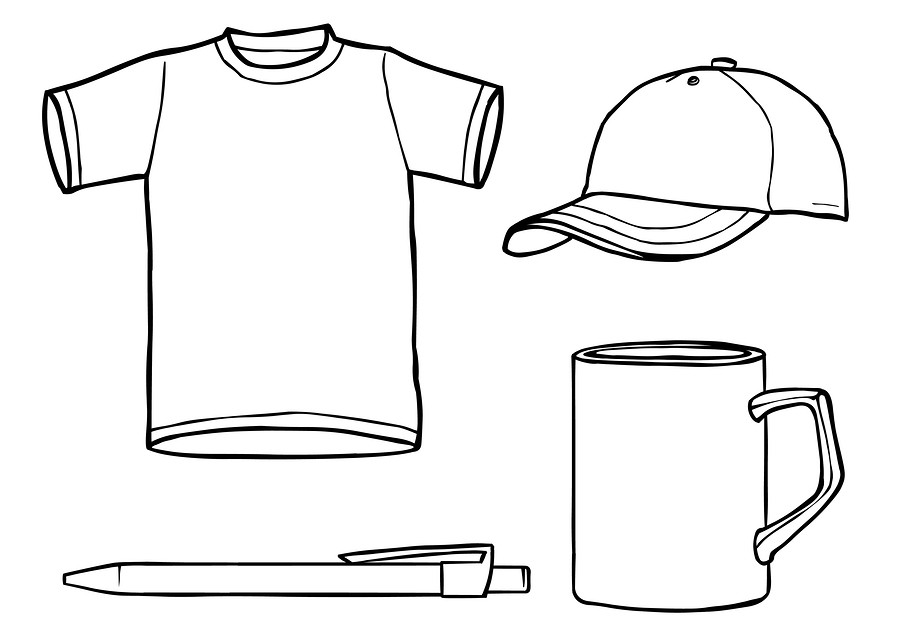
- Brand Awareness: Focus on items that offer high visibility, such as tote bags, t-shirts, or drinkware.
- Customer Retention: Choose premium, high-value items that your existing customers will appreciate, like custom tech accessories.
- Event Engagement: For trade shows and conferences, portable, practical giveaways such as pens, keychains, or lanyards are ideal.
Align with Your Brand Identity
Your promotional product should reflect your brand’s values and personality. For example:
- Eco-conscious brand: Opt for sustainable, reusable items like bamboo utensils, recycled notebooks, reusable water bottles or cotton tote bags.
- Tech-focused company: Branded power banks, USB drives, or wireless chargers align with your tech-forward identity.
Choosing products that reinforce your brand identity ensures consistency and strengthens customer connections.
Prioritize Practicality and Usefulness
Products that add real value to the recipient’s daily life have a higher chance of being used frequently, providing repeated brand exposure. Consider:
- Reusable water bottles for fitness enthusiasts
- Portable phone stands or chargers for busy professionals
- Durable tote bags for shoppers or students
Items that solve everyday problems are more likely to leave a positive impression.
Stay Relevant to Your Audience’s Environment
Think about where and how your audience will use your product:
- Office Workers: Desk accessories, stationery, or ergonomic gadgets
- Outdoor Enthusiasts: Portable coolers, camping gear, or branded sunscreen
- Remote Workers: Blue light glasses, webcam covers, or coffee mugs
By aligning your product with their environment, you ensure greater utility and impact.
Leverage Trends and Innovation
Staying on top of current trends can give your promotional products a competitive edge. Consider popular trends such as:
- Sustainability: Reusable straws, eco-friendly tote bags, or biodegradable pens
- Tech Accessories: Wireless chargers, Bluetooth speakers, or phone grips
- Wellness Products: Yoga mats, resistance bands, or mindfulness journals
Products that align with contemporary trends often feel more relevant and desirable to recipients.
Consider Your Budget
Balancing quality and affordability is key. While lower-cost items like pens, stickers, and lanyards work well for mass distribution, investing in premium products may be more suitable for key clients or partners.
Create tiers within your budget to allocate resources effectively:
- Low-Cost Giveaways: Pens, keychains, or stickers
- Mid-Range Items: Tumblers, notebooks, or USB drives
- Premium Gifts: Wireless speakers, travel bags, or customized apparel
Focus on Customization
Customization is essential for making your promotional products stand out. Adding your logo, tagline, or brand colors creates a personalized touch that strengthens brand recall.
For example:
- Engraving logos on metal pens for a professional look
- Embroidering company names on caps or jackets for outdoor events
- Printing vibrant, eye-catching designs on tote bags, water bottles or t-shirts
Customization enhances the perceived value of your promotional products and makes them feel more exclusive.
Ensure High Quality
Even budget-friendly items should meet quality standards. Poor-quality products can harm your brand’s reputation. Choose vendors with a track record of delivering durable, well-made items that reflect positively on your business.
Plan Distribution Strategy
The success of your promotional products depends heavily on how you distribute them. Consider:
- Trade Shows: Eye-catching displays and interactive booths can draw attention.
- Direct Mail Campaigns: Send personalized packages with a thoughtful product.
- In-Person Events: Hand out items that create memorable moments.
Choosing the right context to distribute your product maximizes engagement and reinforces your brand’s message.
Measure Effectiveness
Track the performance of your promotional product campaign to understand its impact. Metrics to consider include:
- Impressions: How often your product is seen or used.
- Customer Feedback: Gather insights through surveys or social media.
- Sales Impact: Monitor changes in customer inquiries, conversions, or repeat business.
Analyzing data helps refine your strategy and improve future campaigns.
Choose the Right Promotional Product
Choosing the right promotional product for your target audience requires a combination of research, creativity, and strategy. By understanding your audience, aligning with your brand identity, and focusing on practical, high-quality products, you can deliver memorable experiences that strengthen customer loyalty and enhance your brand’s presence.
With these steps in mind, you’ll be well-equipped to select impactful promotional products that resonate with your audience and drive meaningful results.